Fast & Responsive UI
Optimize your React UI for lightning-fast load times, smooth interactions, and perfect responsiveness across all devices. Deliver exceptional user experiences with optimized performance.
Fast & Responsive UI Excellence
Data Processing, LLC specializes in optimizing React UI performance with over 28 years of experience. We create fast, responsive user interfaces that load quickly, interact smoothly, and work perfectly across all devices and screen sizes.
Why Choose Our UI Optimization Services?
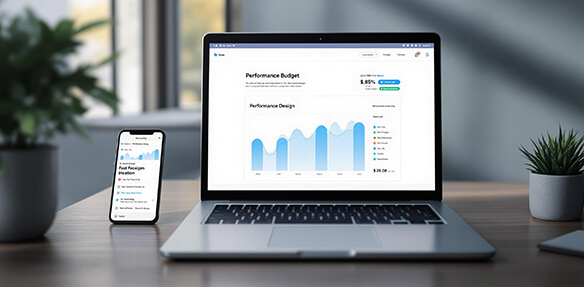
With over 28 years of experience in React UI optimization, Data Processing, LLC delivers comprehensive solutions that combine technical excellence with innovative approaches. Whether you need performance optimization, responsive design, or animation improvements, we ensure your React UI delivers exceptional user experiences.
Our UI Optimization Services
From performance optimization to responsive design, we provide comprehensive UI services that deliver exceptional results.
Performance Optimization
- Render optimization
- Bundle size reduction
- Load time improvement
- Performance monitoring
Responsive Design
- Mobile-first approach
- Flexible layouts
- Touch optimization
- Cross-device testing
Animation Optimization
- GPU-accelerated animations
- Smooth transitions
- Performance tuning
- Frame rate optimization
Frequently Asked Questions
Get answers to common questions about our Fast & Responsive UI optimization services.
What is UI performance optimization?
UI performance optimization involves improving how quickly and smoothly your React application's user interface loads and responds to user interactions. This includes reducing initial load times, optimizing rendering performance, minimizing re-renders, improving animation smoothness, and ensuring responsive design across all devices. The goal is to create a fast, fluid user experience that feels instant and responsive.
How do you optimize React component rendering?
We optimize React component rendering through various techniques: React.memo for preventing unnecessary re-renders, useMemo and useCallback for expensive computations, code splitting to load components on demand, virtual scrolling for long lists, lazy loading images and components, optimizing state updates to minimize re-renders, and using React DevTools Profiler to identify bottlenecks. We ensure components only re-render when necessary.
What's the difference between responsive and adaptive design?
Responsive design uses flexible layouts that adapt to any screen size using CSS media queries and fluid grids. The same codebase works across all devices. Adaptive design uses fixed layouts for specific screen sizes, often requiring separate code for different breakpoints. We typically use responsive design for React applications as it's more maintainable and provides better user experiences across the wide variety of device sizes.
How do you improve initial page load times?
We improve initial load times through multiple strategies: code splitting and lazy loading, image optimization and lazy loading, minimizing JavaScript bundle size, using CDN for static assets, implementing service workers for caching, optimizing critical rendering path, reducing HTTP requests, and implementing progressive loading. We aim for sub-3-second initial load times on average connections.
Can you optimize animations and transitions?
Yes! We optimize animations using CSS transforms and opacity (which are GPU-accelerated), requestAnimationFrame for JavaScript animations, avoiding layout-triggering properties, using will-change CSS property strategically, implementing debouncing and throttling, reducing animation complexity, and using libraries like Framer Motion efficiently. We ensure animations run at 60fps for smooth user experiences.
How do you handle mobile performance?
We optimize for mobile through: touch event optimization, reducing JavaScript execution time, optimizing images for mobile networks, implementing progressive enhancement, using mobile-first responsive design, minimizing DOM manipulation, optimizing for slower mobile CPUs, implementing offline capabilities, and testing on real devices. We ensure your React app performs well even on lower-end mobile devices.
What about accessibility in responsive design?
Accessibility is crucial in responsive design. We ensure: proper semantic HTML, keyboard navigation support, screen reader compatibility, sufficient color contrast, touch target sizes (minimum 44x44px), readable font sizes, focus indicators, ARIA labels where needed, and testing with assistive technologies. We create responsive designs that are accessible to all users regardless of device or ability.
How do you measure UI performance?
We measure performance using various metrics: Core Web Vitals (LCP, FID, CLS), Lighthouse scores, Time to Interactive (TTI), First Contentful Paint (FCP), bundle size analysis, runtime performance profiling, network waterfall analysis, and real user monitoring (RUM). We set performance budgets and continuously monitor to ensure your application meets performance goals.
Can you optimize existing React applications?
Absolutely! We can optimize existing React applications through performance audits, identifying bottlenecks, refactoring slow components, implementing code splitting, optimizing images and assets, improving state management, reducing bundle sizes, and implementing caching strategies. We provide detailed performance reports and implement optimizations that deliver measurable improvements.
What's the typical performance improvement?
Performance improvements vary based on the starting point, but we typically achieve: 40-70% reduction in initial load time, 50-80% reduction in bundle size through code splitting, 30-60% improvement in Time to Interactive, 20-50% reduction in re-renders, and significant improvements in Core Web Vitals scores. We provide before/after metrics to demonstrate the improvements.
How do you handle large lists and data tables?
For large lists and data tables, we implement: virtual scrolling (react-window, react-virtualized), pagination, infinite scrolling with intersection observer, memoization of list items, debounced search/filtering, server-side pagination when possible, and progressive data loading. We ensure smooth scrolling and interactions even with thousands of items.
Do you provide ongoing performance monitoring?
Yes! We offer ongoing performance monitoring including: automated performance testing in CI/CD, real user monitoring (RUM), performance budgets enforcement, regular performance audits, bundle size tracking, and alerting for performance regressions. We help you maintain optimal performance as your application evolves.
Ready to Optimize Your UI Performance?
Contact us today for a consultation and let's make your React UI fast and responsive. Data Processing, LLC delivers exceptional UI optimization solutions that combine technical expertise with best practices for outstanding results.