Testing & Quality Assurance
Ensure reliability and quality with comprehensive testing strategies. From unit tests to E2E testing, we deliver robust React applications with high test coverage and quality assurance.
Testing & Quality Assurance Excellence
Data Processing, LLC specializes in comprehensive testing and quality assurance for React applications with over 28 years of experience. We ensure your React applications are reliable, maintainable, and deliver exceptional quality through thorough testing strategies.
Why Choose Our Testing & QA Services?
With over 28 years of experience in React testing, Data Processing, LLC delivers comprehensive testing solutions that combine technical excellence with best practices. Whether you need unit testing, integration testing, E2E testing, or quality assurance, we ensure your React application is thoroughly tested and reliable.
Our Testing & QA Services
From unit testing to E2E testing, we provide comprehensive testing services.
Unit & Integration Testing
- Jest testing setup
- Component testing
- Integration tests
- Test coverage
End-to-End Testing
- Cypress/Playwright setup
- User flow testing
- Cross-browser testing
- Automated testing
Quality Assurance
- Accessibility testing
- Performance testing
- Code quality
- QA processes
Frequently Asked Questions
Get answers to common questions about our Testing & Quality Assurance services.
What types of testing do you provide for React applications?
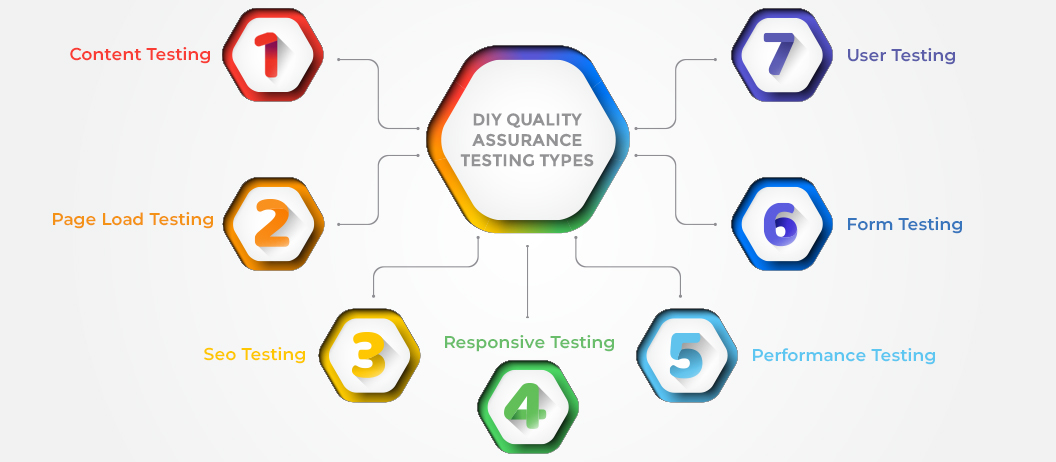
We provide comprehensive testing services including: unit testing (testing individual components and functions), integration testing (testing component interactions), end-to-end (E2E) testing (testing complete user flows), visual regression testing (catching UI changes), accessibility testing (ensuring WCAG compliance), performance testing (load and stress testing), and security testing. We use tools like Jest, React Testing Library, Cypress, and Playwright.
What is the difference between unit, integration, and E2E testing?
Unit testing tests individual components or functions in isolation. Integration testing verifies that multiple components work together correctly. E2E testing tests complete user workflows from start to finish in a real browser environment. We use a testing pyramid approach: many unit tests (fast, cheap), fewer integration tests, and even fewer E2E tests (slower, more expensive but critical). This provides comprehensive coverage while maintaining efficiency.
What testing tools and frameworks do you use?
We use industry-standard testing tools: Jest for unit and integration testing, React Testing Library for component testing, Cypress or Playwright for E2E testing, Storybook for component development and visual testing, Testing Library for accessibility testing, Lighthouse for performance testing, and various mocking libraries. We choose tools based on your project needs and team preferences.
How do you ensure good test coverage?
We ensure good test coverage by: setting coverage thresholds (typically 80%+), testing critical paths and edge cases, testing user interactions and workflows, testing error handling, testing accessibility, maintaining test coverage reports, and continuously improving test quality. We focus on meaningful coverage rather than just hitting percentage targets, ensuring tests actually catch bugs.
Can you test existing React applications?
Yes! We can add comprehensive testing to existing React applications. We analyze your codebase, identify critical paths, write tests for existing functionality, set up testing infrastructure, implement CI/CD testing pipelines, and provide testing best practices. We can also refactor code to make it more testable if needed. We ensure backward compatibility while adding tests.
How do you handle testing async operations and API calls?
We handle async testing by: mocking API calls with MSW (Mock Service Worker) or fetch mocks, using async/await in tests, testing loading states, testing error states, testing success scenarios, using React Testing Library's async utilities, and implementing proper wait conditions. We ensure tests are reliable and don't have race conditions or timing issues.
What about testing React hooks?
We test React hooks using: React Testing Library's renderHook utility, testing custom hooks in isolation, testing hook dependencies and effects, testing hook return values, testing hook state changes, and testing hook error handling. We ensure hooks work correctly in various scenarios and handle edge cases properly.
How do you test accessibility?
We test accessibility by: using automated tools (axe-core, Lighthouse), manual keyboard navigation testing, screen reader testing, color contrast checking, ARIA attribute validation, semantic HTML verification, and WCAG compliance testing. We ensure your React application is accessible to all users, including those using assistive technologies.
What is visual regression testing?
Visual regression testing captures screenshots of your UI and compares them to baseline images to detect unintended visual changes. We use tools like Percy, Chromatic, or Jest with image snapshots. This catches UI bugs that functional tests might miss, such as CSS issues, layout problems, or styling regressions. It's especially valuable for design systems and component libraries.
How do you integrate testing into CI/CD?
We integrate testing into CI/CD pipelines by: running tests automatically on every commit, setting up test environments, configuring test reports and coverage, implementing test result notifications, blocking deployments on test failures, running different test suites at different stages, and ensuring fast feedback loops. We use GitHub Actions, GitLab CI, Jenkins, or other CI/CD platforms based on your setup.
What's the typical test coverage you achieve?
We typically achieve 80-95% code coverage depending on project requirements. However, we focus on meaningful coverage rather than just percentages. We prioritize testing critical business logic, user-facing features, error handling, and edge cases. We provide coverage reports and work with you to determine the right coverage level for your project's needs.
How do you test performance?
We test performance by: measuring render times, testing with large datasets, profiling component performance, testing bundle sizes, measuring Core Web Vitals, load testing, stress testing, and using React DevTools Profiler. We identify performance bottlenecks and ensure your application meets performance requirements. We also set up performance budgets and monitor them.
Ready to Ensure Quality in Your React Application?
Contact us today for a consultation and let's implement comprehensive testing and quality assurance for your React application. Data Processing, LLC delivers exceptional testing solutions that combine technical expertise with best practices for outstanding results.